
Software
ESP32 WS2811 LED Strip Driver
A driver for WS2811 RGBIC LED strips on the ESP32, using the RMT peripheral to drive a strip from one data line.
- ESP32
- 2 min read
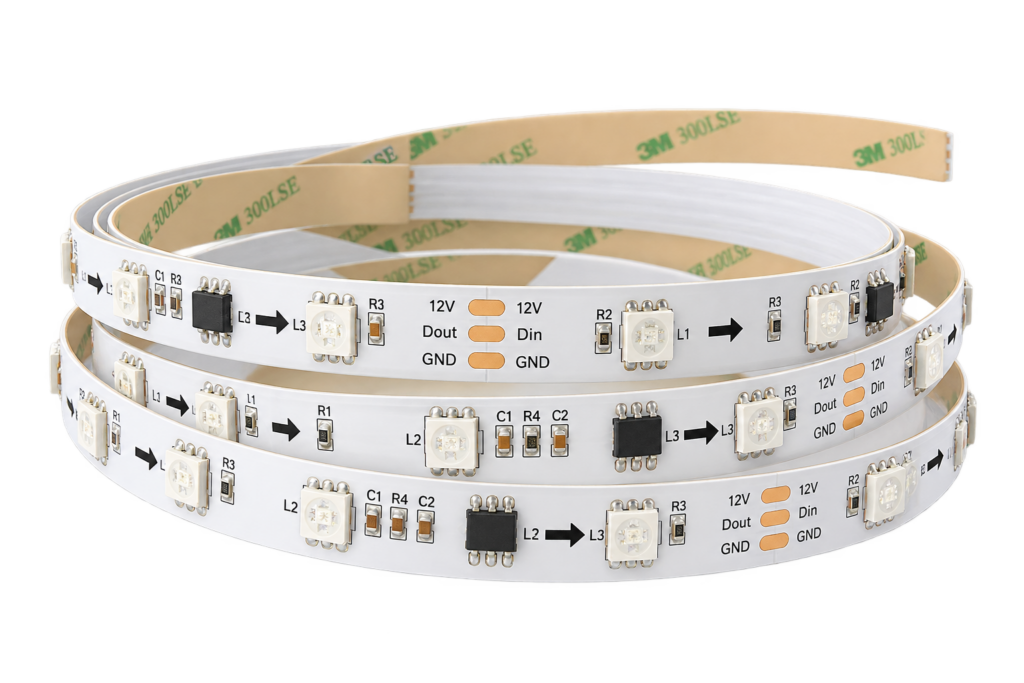
A driver for WS2811 RGBIC LED strips on the ESP32, written for ESP-IDF. These are addressable LEDs that are controlled through a single data line, so you set the colour of every pixel from one GPIO. The driver uses the ESP32 RMT peripheral to produce the timing the LEDs need.
The functions
The header ws2811.h has five functions:
| Function | What it does |
|---|---|
| led_strip_init(channel, gpio, length) | Sets up a strip of the given length on an RMT channel and a GPIO. Returns a strip handle, or nothing when it fails |
| led_strip_set_pixel(strip, index, red, green, blue) | Sets the colour of one pixel, in the buffer |
| led_strip_refresh(strip) | Sends the buffer to the strip |
| led_strip_clear(strip) | Clears the strip |
| led_strip_free(strip) | Releases the strip |
The component needs the driver component of ESP-IDF. Set the pixels first, then call refresh to show them.
Example
The example, from the README, runs a strip of 3 LEDs on GPIO 5 and cycles it through red, green and blue, one second each:
#define LED_STRIP_LENGTH 3
#define GPIO_NUM 5

void app_main(void)
{
    led_strip_t *strip = led_strip_init(RMT_CHANNEL_0, GPIO_NUM, LED_STRIP_LENGTH);

    if (!strip) {
        printf("Failed to initialize LED stripn");
        return;
    }

    while (1) {
        for (int i = 0; i < LED_STRIP_LENGTH; i++) {
            led_strip_set_pixel(strip, i, 255, 0, 0);  // Red
        }
        led_strip_refresh(strip);
        vTaskDelay(pdMS_TO_TICKS(1000));
        /* the same for green (0, 255, 0) and blue (0, 0, 255) */
    }
}
How the timing is done
The LEDs read their colour from a pulse train on the data line. The driver builds it with the RMT peripheral, with a clock divider of 2 and 42 ticks for every bit. A 0 bit is a pulse that is high for 14 ticks and low for 34, and a 1 bit is high for 34 ticks and low for 14. Every pixel takes 24 bits, and the driver keeps a buffer of that size for each pixel of the strip.
Hardware
The diagram at the top of this page shows an ESP32 development board, a breadboard and a barrel jack for the supply of the strip. The strip has connections for +24 V, ground and data, and two more for warm white and cool white. The driver in this repository handles the data line. For how addressable LEDs work, see the NeoPixels guide.
Good to know
- The repository is under the MIT licence.
- It has no releases. The driver is the
ws2811.candws2811.hfiles, and the component is registered with CMake asws2811.
Everything is in the esp32-ws2811 repository on GitHub.
Related
 Electronics
KiCad 6 Track Width Template
A KiCad 6 template with 24 predefined track widths from 4 to 50 mil, and how to import them into your own board.
Read more
Electronics
KiCad 6 Track Width Template
A KiCad 6 template with 24 predefined track widths from 4 to 50 mil, and how to import them into your own board.
Read more
 CNC
Mini CNC Laser Engraver: A Build That Did Not Work
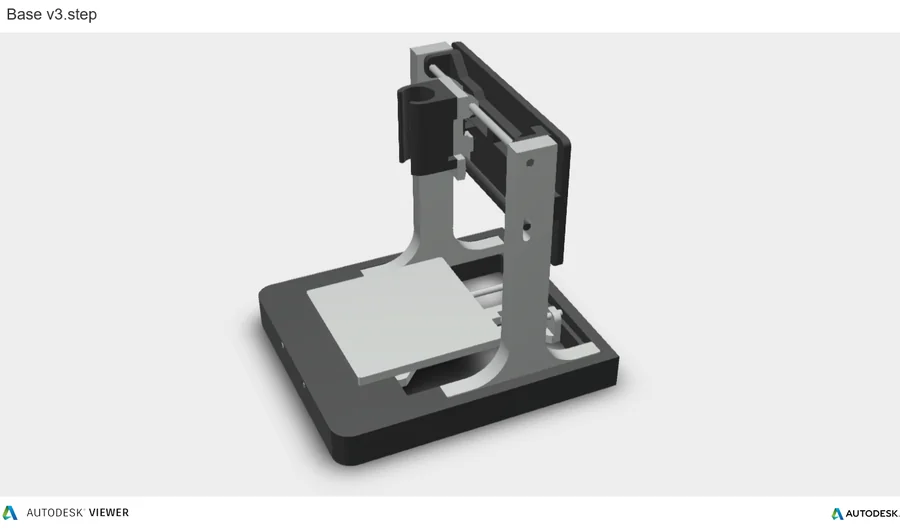
A small laser engraver with a 3D printed frame, two stepper motors, an Arduino Nano with GRBL and a 200 mW laser, and why it never engraved.
Read more
CNC
Mini CNC Laser Engraver: A Build That Did Not Work
A small laser engraver with a 3D printed frame, two stepper motors, an Arduino Nano with GRBL and a 200 mW laser, and why it never engraved.
Read more
 Electronics
NeoPixel Light with an ESP8266 and Homebridge
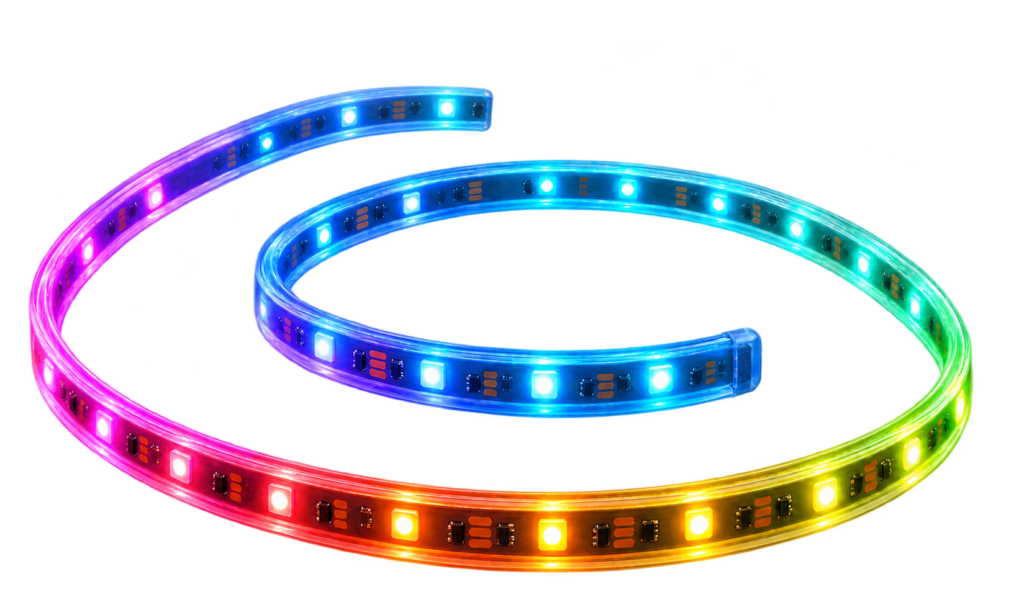
An ESP8266-12E that drives a 144-pixel NeoPixel strip and answers the requests of a Homebridge plugin.
Read more
Electronics
NeoPixel Light with an ESP8266 and Homebridge
An ESP8266-12E that drives a 144-pixel NeoPixel strip and answers the requests of a Homebridge plugin.
Read more
More projects
Keep building.
Electronics, 3D printing and CNC builds, documented from the first idea to the last screw.
All projects