
Reference
Seeed Studio XIAO ESP32S3 Pinout
The real pin reference for Seeed Studio's XIAO ESP32S3: thumbnail-sized, native USB, with a camera/display connector on the Sense variant.
- ESP32
- 2 min read
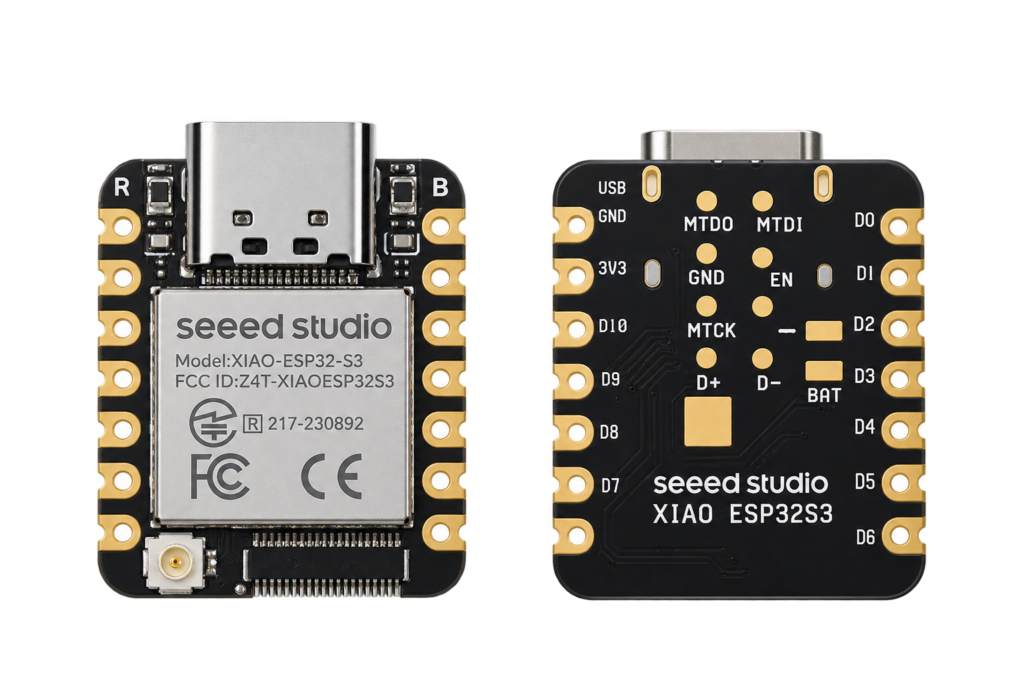
The XIAO ESP32S3 packs an ESP32-S3 into Seeed’s same 21×17.8mm XIAO footprint as the XIAO ESP32C3. It comes in a plain version and a “Sense” version that adds an onboard microphone and a camera/expansion connector. Pin data below is sourced from Seeed’s own wiki.
System-on-chip
The ESP32-S3 is the same dual-core Xtensa LX7 chip covered on this site’s AI-S3 page, Wi-Fi 802.11 b/g/n, Bluetooth 5 LE, and native USB. The XIAO board exposes 11 regular GPIOs plus JTAG pins, with an onboard status LED and a separate charge-status LED.
GPIO reference
| XIAO pin | GPIO | Function | Notes |
|---|---|---|---|
| D0 | GPIO1 | ADC, touch | |
| D1 | GPIO2 | ADC, touch | |
| D2 | GPIO3 | ADC, touch | |
| D3 | GPIO4 | ADC, touch | |
| D4 | GPIO5 | I²C SDA, ADC, touch | |
| D5 | GPIO6 | I²C SCL, ADC, touch | |
| D6 | GPIO43 | UART TX | |
| D7 | GPIO44 | UART RX | |
| D8 | GPIO7 | SPI SCK, ADC, touch | |
| D9 | GPIO8 | SPI MISO, ADC, touch | |
| D10 | GPIO9 | SPI MOSI, ADC, touch |
Boot: GPIO0 (hold low at power-on to enter the bootloader). Reset: CHIP_PU. Onboard user LED: GPIO21. Charge LED: a separate, non-GPIO indicator for USB charging status.
"Sense" variant: camera and microphone
The Sense variant adds a PDM microphone (data on GPIO42, clock on GPIO41) and a B2B expansion connector carrying a DVP camera interface (GPIO10–18, 38–40, 47–48) plus an SD-card SPI interface (GPIO7–9, 21), shared with the main header pins above, don’t assume both the camera/SD card and the main header are simultaneously free for other uses. If your board doesn’t have the extra connector on the underside, you have the plain (non-Sense) variant, and none of this section applies.
Conclusion
The XIAO ESP32S3 gives you native USB and more compute than the XIAO ESP32C3 in the same tiny footprint, plus a real camera/microphone path on the Sense variant. For a full-size breakout with two USB-C ports instead, see the AI-S3.
Related
 Reference
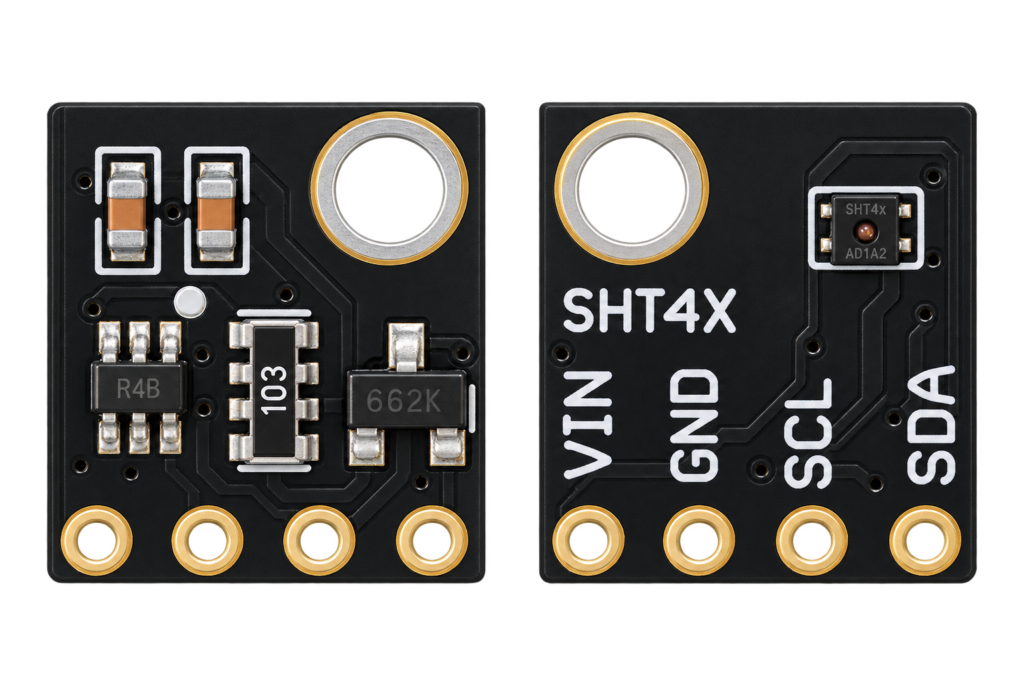
SHT40 / SHT41 Temperature and Humidity Sensor Complete Guide
Sensirion's fourth-generation SHT4x sensors trade the SHT3x series' heater-based self-test for an ultra-low idle power budget and a slightly tighter accuracy spec. This guide covers wiring an SHT40 or SHT41 to an ESP32, real I2C addressing, and which SHT generation actually makes sense for a new project.
Read more
 Reference
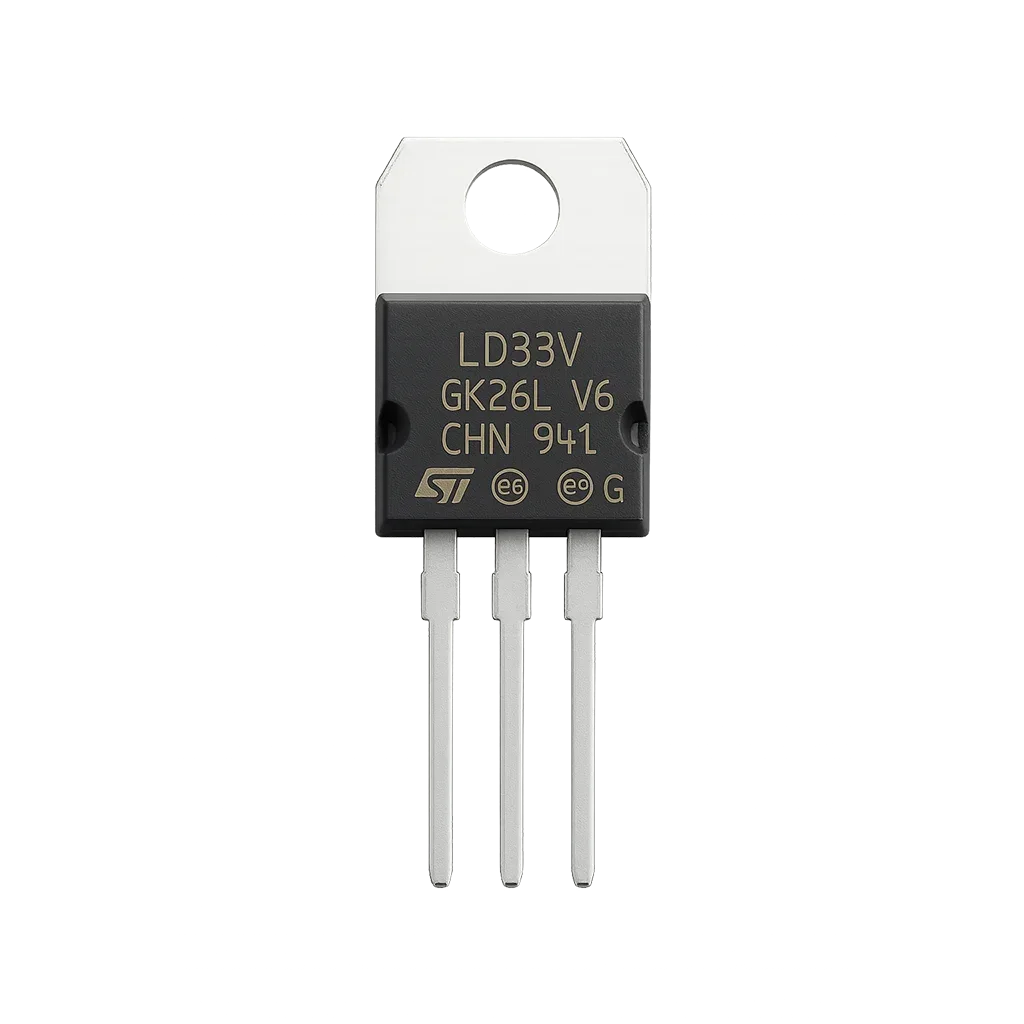
Everything You Need to Know About the LD33V
A fixed 3.3V linear regulator from the LD1117 family, the go-to way to power ESP modules, sensors and RF radios from a higher unregulated input. This guide covers dropout voltage, required capacitors, power dissipation, and how to avoid the overheating and brownout problems that come with powering an ESP32 from one.
Read more
 Reference
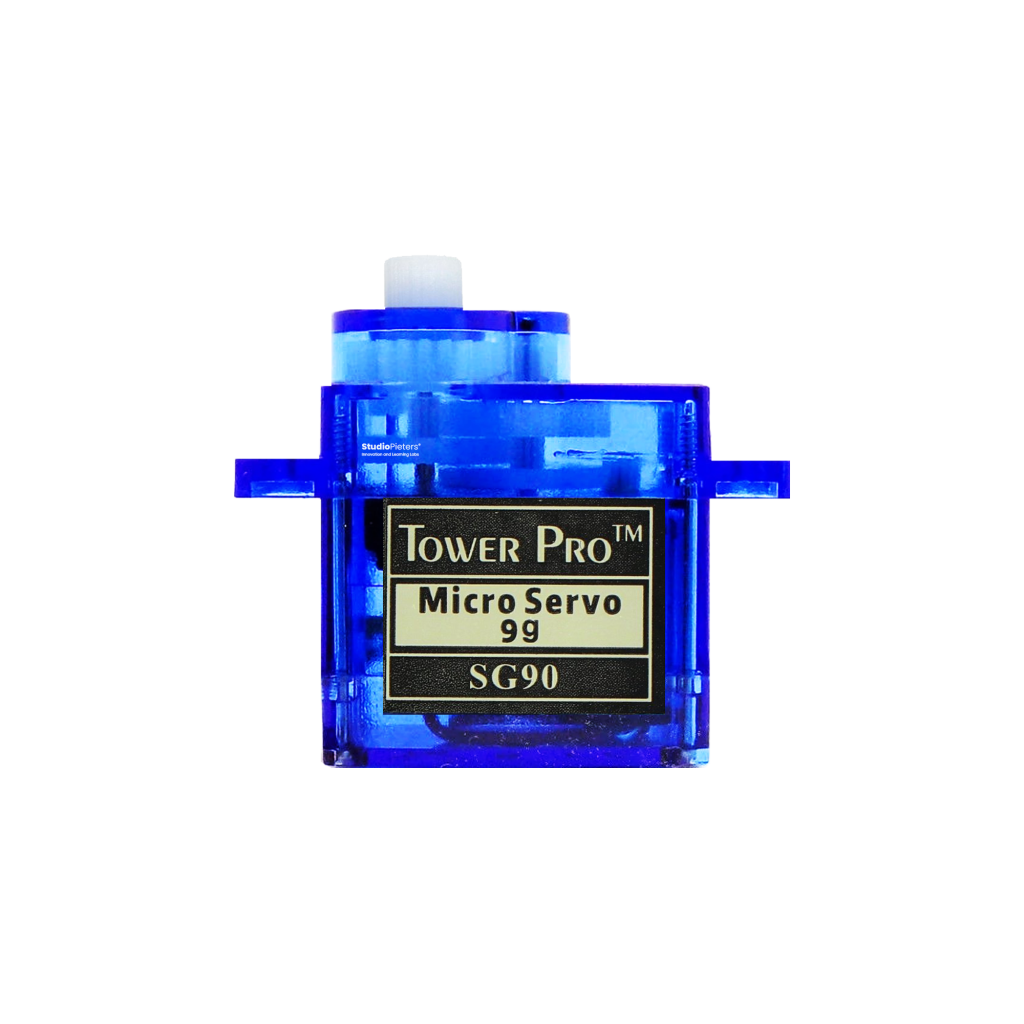
SG90 Servo
The classic 9-gram micro servo: a 3-wire PWM interface, ~180° of travel, and enough torque for pan-tilt mounts and small robotic arms. This guide covers the pinout, PWM pulse-width timing, wiring, and how it compares to the metal-gear MG90S.
Read more
More guides
Keep building.
From ESP32 HomeKit accessories to Arduino and ATtiny reference guides, there’s more where this came from.
All guides