
Reference
Seeed Studio XIAO ESP32C3 Pinout
The real pin reference for Seeed Studio's XIAO ESP32C3: a thumbnail-sized RISC-V Wi-Fi/BLE board with a U.FL antenna connector and no onboard LED.
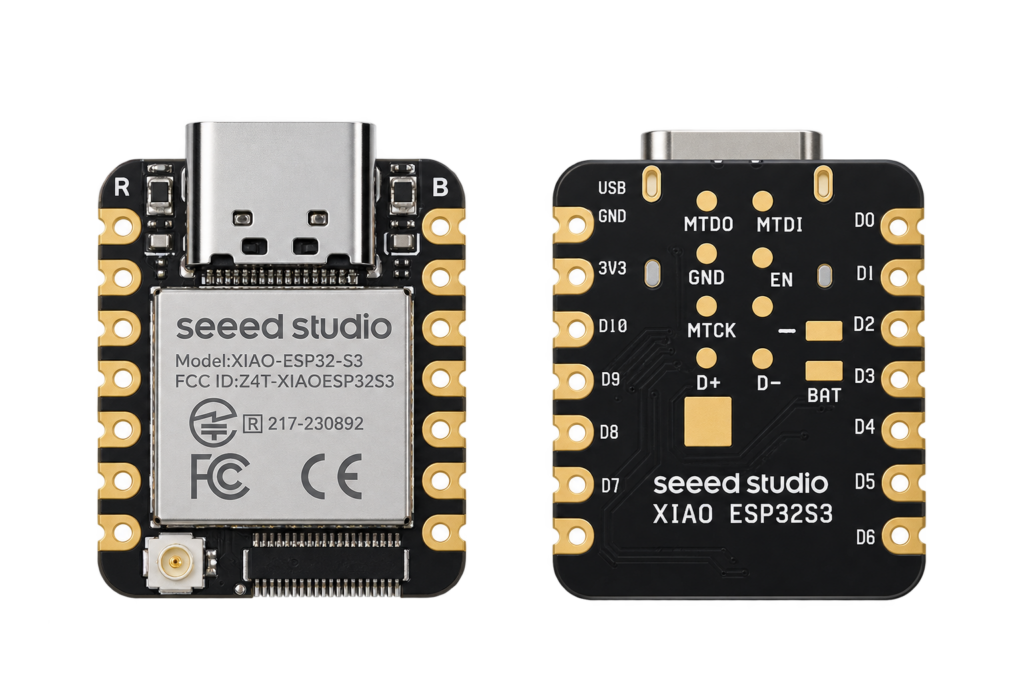
The XIAO ESP32C3 is Seeed Studio’s smallest ESP32-C3 board: 21×17.8mm, USB-C, and an external U.FL antenna connector instead of a printed one. It trades a smaller footprint and fewer exposed pins for size, aimed at wearables and battery projects rather than breadboard prototyping. Pin data below is sourced from Seeed’s own wiki.
System-on-chip
The ESP32-C3 is a single-core, 160MHz RISC-V chip with Wi-Fi 802.11 b/g/n and Bluetooth 5 (LE), the same chip family covered on this site’s ESP32-C3-MINI-1 page. The XIAO board exposes only 11 of the chip’s GPIOs, in exchange for its very small size.
GPIO reference
| XIAO pin | GPIO | Function | Notes |
|---|---|---|---|
| D0 | GPIO2 | ADC1_CH2 | Strapping pin |
| D1 | GPIO3 | ADC1_CH3 | |
| D2 | GPIO4 | ADC1_CH4 | JTAG MTMS |
| D3 | GPIO5 | ADC2_CH0 | JTAG MTDI, avoid for analog while Wi-Fi is active |
| D4 | GPIO6 | I²C SDA | JTAG MTCK |
| D5 | GPIO7 | I²C SCL | JTAG MTDO |
| D6 | GPIO21 | UART TX | |
| D7 | GPIO20 | UART RX | |
| D8 | GPIO8 | SPI Clock | Strapping pin |
| D9 | GPIO9 | SPI MISO | Boot mode strapping, avoid pulling low at power-on |
| D10 | GPIO10 | SPI MOSI |
No onboard LED. Unlike most ESP32 devkits, the XIAO ESP32C3 has no built-in status LED, wire an external one to test blink code. Power (5V USB VBUS, regulated 3V3 output, GND) is broken out on separate header pins.
Real gotchas
- Strapping pins (GPIO2, GPIO8, GPIO9) set the chip’s boot mode at power-on. Avoid wiring anything to these that could pull them the wrong way at reset, per Seeed’s own documentation.
- D3/GPIO5 is ADC2, which shares internal resources with the Wi-Fi radio, readings can become unreliable once Wi-Fi is connected. Use D0–D2 (ADC1) for reliable analog input instead.
- External antenna required. This board has a U.FL connector, not a printed PCB antenna, an external 2.4GHz antenna (commonly included with the board) must be attached for Wi-Fi/BLE to work at all.
Conclusion
The XIAO ESP32C3 fits where the AI-C3 or bare ESP32-C3-MINI-1 module is too big, at the cost of fewer breakout pins and no onboard LED. Need more GPIOs and native USB in a similarly small board? See the XIAO ESP32S3.
Related
 Reference
MPU6050 Accelerometer + Gyroscope Complete Guide
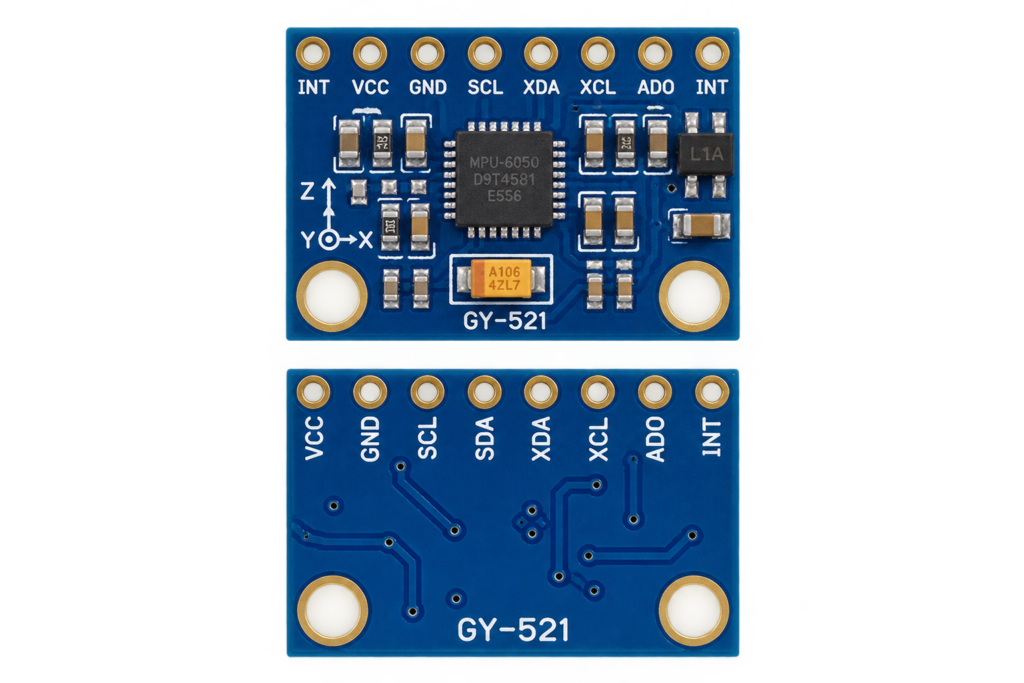
The MPU6050 packs a 3-axis accelerometer and 3-axis gyroscope on one die with an onboard motion-fusion processor, for around the price of a single sensor. This guide covers its real I2C addressing, pinout, and wiring one to an ESP32.
Read more
Reference
MPU6050 Accelerometer + Gyroscope Complete Guide
The MPU6050 packs a 3-axis accelerometer and 3-axis gyroscope on one die with an onboard motion-fusion processor, for around the price of a single sensor. This guide covers its real I2C addressing, pinout, and wiring one to an ESP32.
Read more
 Reference
ESP32-CAM (AI-Thinker) Pinout
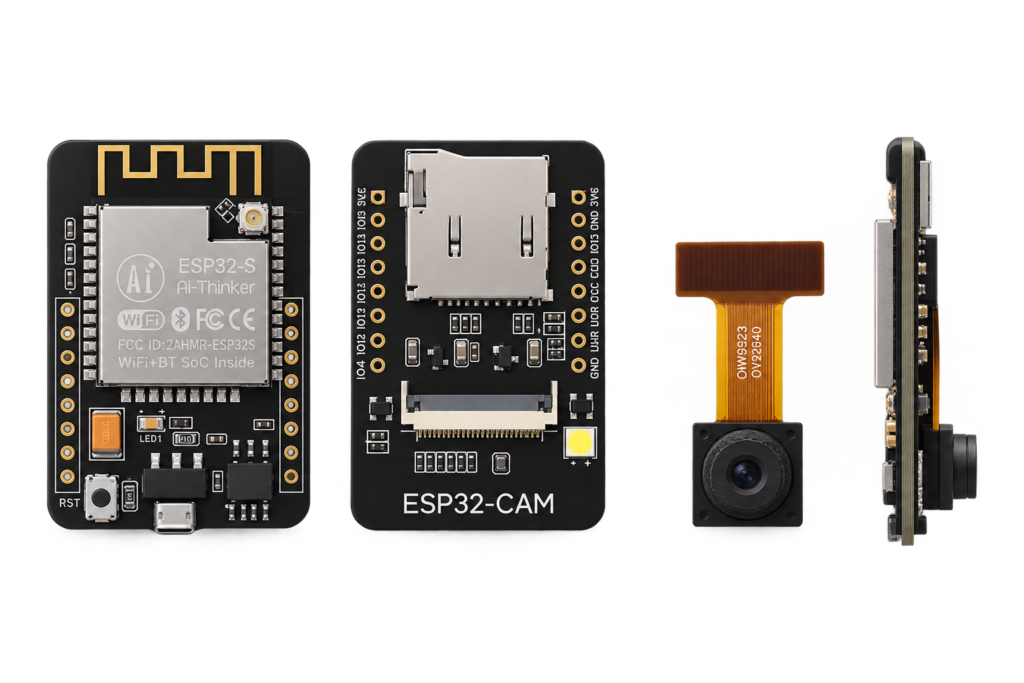
The real pin reference for the AI-Thinker ESP32-CAM: an ESP32 with a camera connector and microSD slot, and only 2 or 3 genuinely free GPIOs left over.
Read more
Reference
ESP32-CAM (AI-Thinker) Pinout
The real pin reference for the AI-Thinker ESP32-CAM: an ESP32 with a camera connector and microSD slot, and only 2 or 3 genuinely free GPIOs left over.
Read more
 Reference
The Complete Guide to the BH1750 Digital Light Sensor
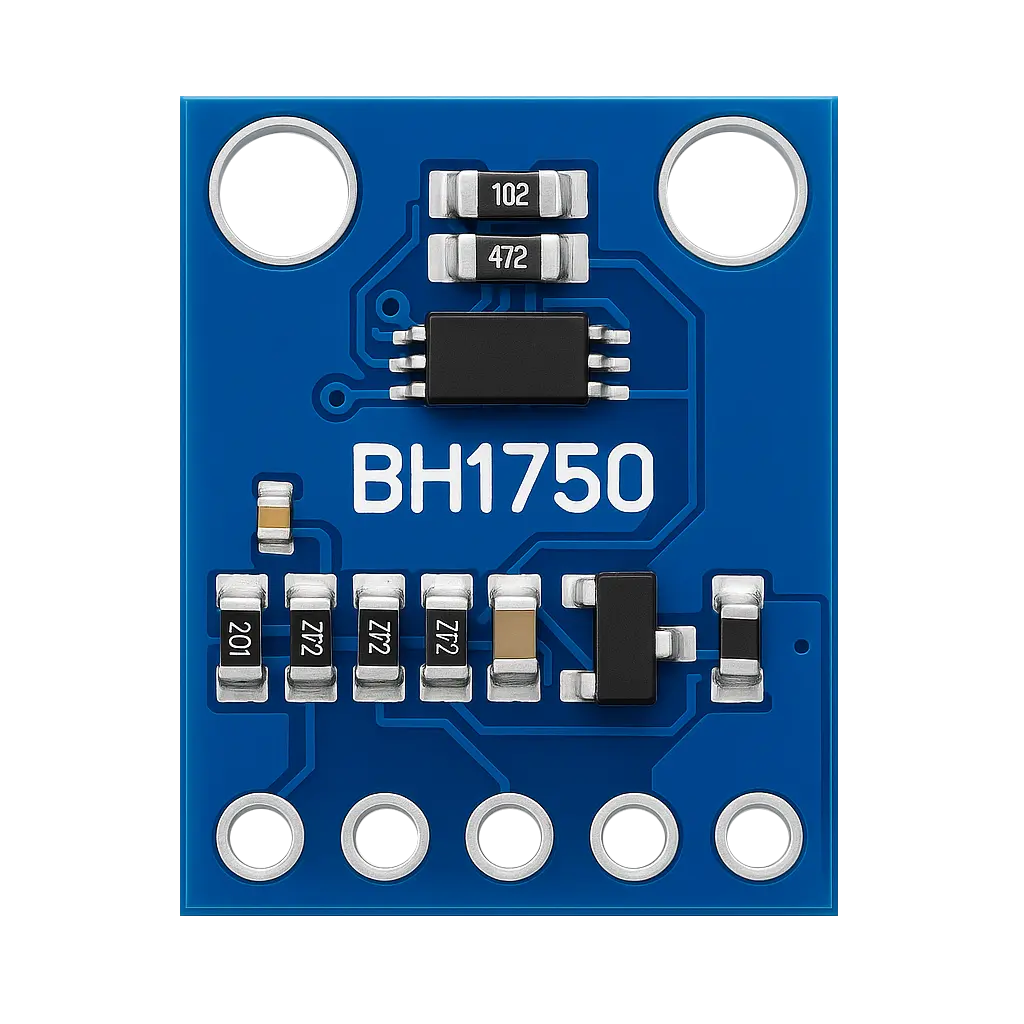
A digital I2C ambient light sensor that outputs calibrated lux directly, no ADC math or LDR calibration curve needed. This guide covers the pinout, ESP32 wiring, the measurement-mode trade-offs, and running two sensors on one I2C bus via the address pin.
Read more
Reference
The Complete Guide to the BH1750 Digital Light Sensor
A digital I2C ambient light sensor that outputs calibrated lux directly, no ADC math or LDR calibration curve needed. This guide covers the pinout, ESP32 wiring, the measurement-mode trade-offs, and running two sensors on one I2C bus via the address pin.
Read more
More guides
Keep building.
From ESP32 HomeKit accessories to Arduino and ATtiny reference guides, there’s more where this came from.
All guides