
Reference
LILYGO T-Display-S3 Pinout
The real pin reference for LILYGO's T-Display-S3: an ESP32-S3 board with a built-in 1.9-inch color LCD, two buttons, and battery-monitoring support.
- ESP32
- 2 min read
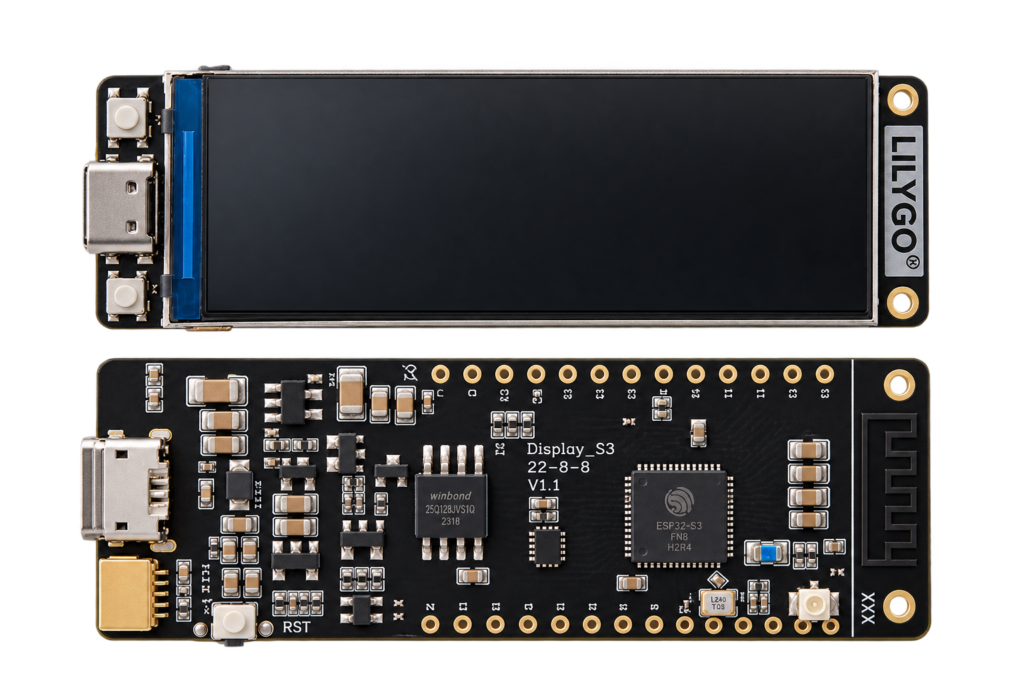
The T-Display-S3 is LILYGO’s ESP32-S3 board with a built-in 1.9-inch, 170×320 ST7789 color LCD wired straight to the board, no separate display module or wiring needed. Pin data below is sourced from LILYGO’s own GitHub repository for this board.
System-on-chip and board
Built on an ESP32-S3R8 (the PSRAM-equipped S3 variant): 16MB flash, 8MB octal PSRAM, plenty of headroom for a color UI. The onboard display uses an 8-bit parallel interface (not SPI), which is why it needs so many dedicated GPIOs, those pins aren’t available for your own use.
Built-in display pins
| Function | GPIO |
|---|---|
| Backlight | 38 |
| Chip select (CS) | 6 |
| Data/command (DC) | 7 |
| Write (WR) | 8 |
| Read (RD) | 9 |
| Reset | 5 |
| Data bus D0–D7 | 39–48 |
| Peripheral power enable | 15 |
GPIO15 must be set HIGH in your code before the display (and other onboard peripherals) will work at all. This is the single most common “blank screen” mistake with this board.
Conclusion
The built-in display makes this a genuinely different board from a bare breakout, most of its GPIOs are already spoken for by the screen, plan your project’s wiring around what’s actually left rather than assuming the ESP32-S3’s full pin count is available. For a board with the same chip and no display, more free GPIOs, see the AI-S3.
Related
 Reference
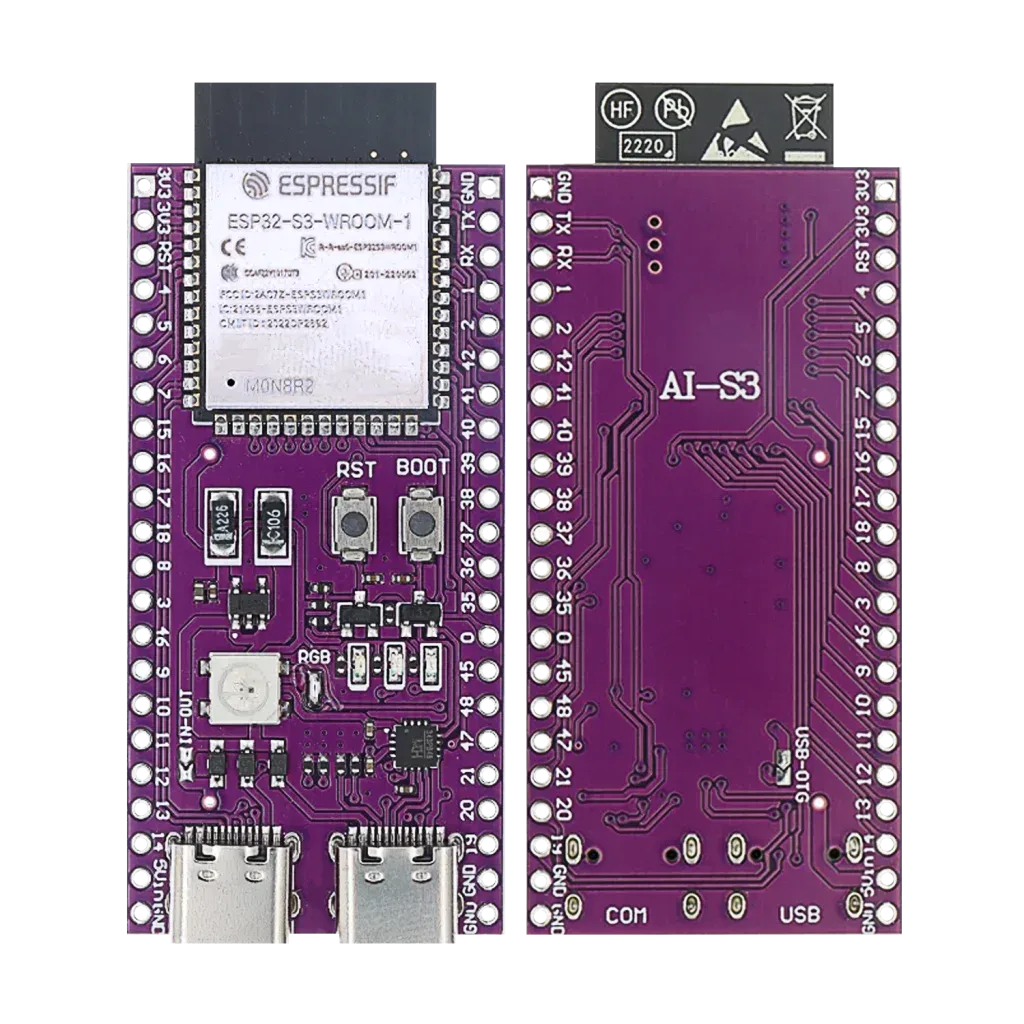
AI-S3 Pinout
The complete pin reference for the AI-S3: an ESP32-S3-WROOM-1 board with two USB-C ports, an RGB LED, 16 MB flash, 8 MB PSRAM and 36 GPIOs.
Read more
 Reference
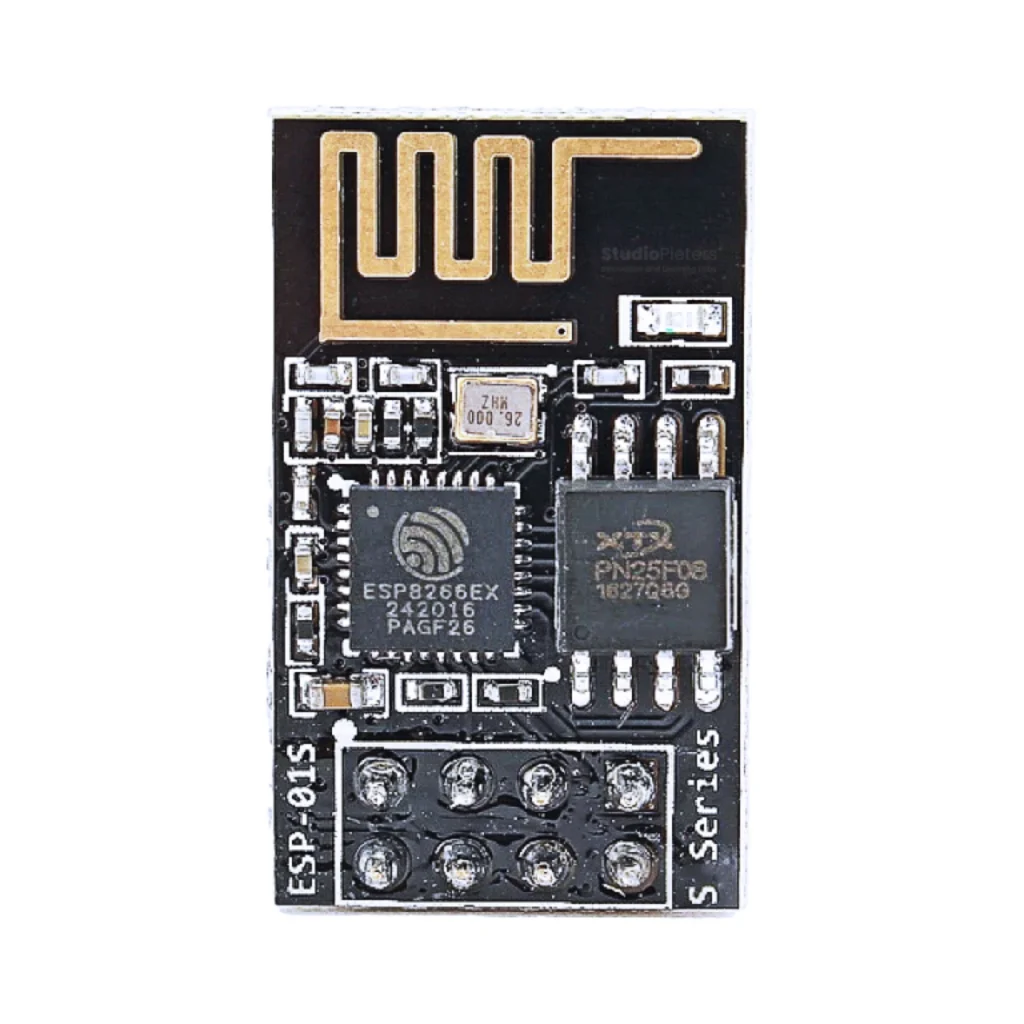
ESP8266-01 Pinout
The complete pin reference for the ESP8266-01 (ESP-01S): eight pins, two free GPIOs, boot modes, power and how to flash it.
Read more
 Reference
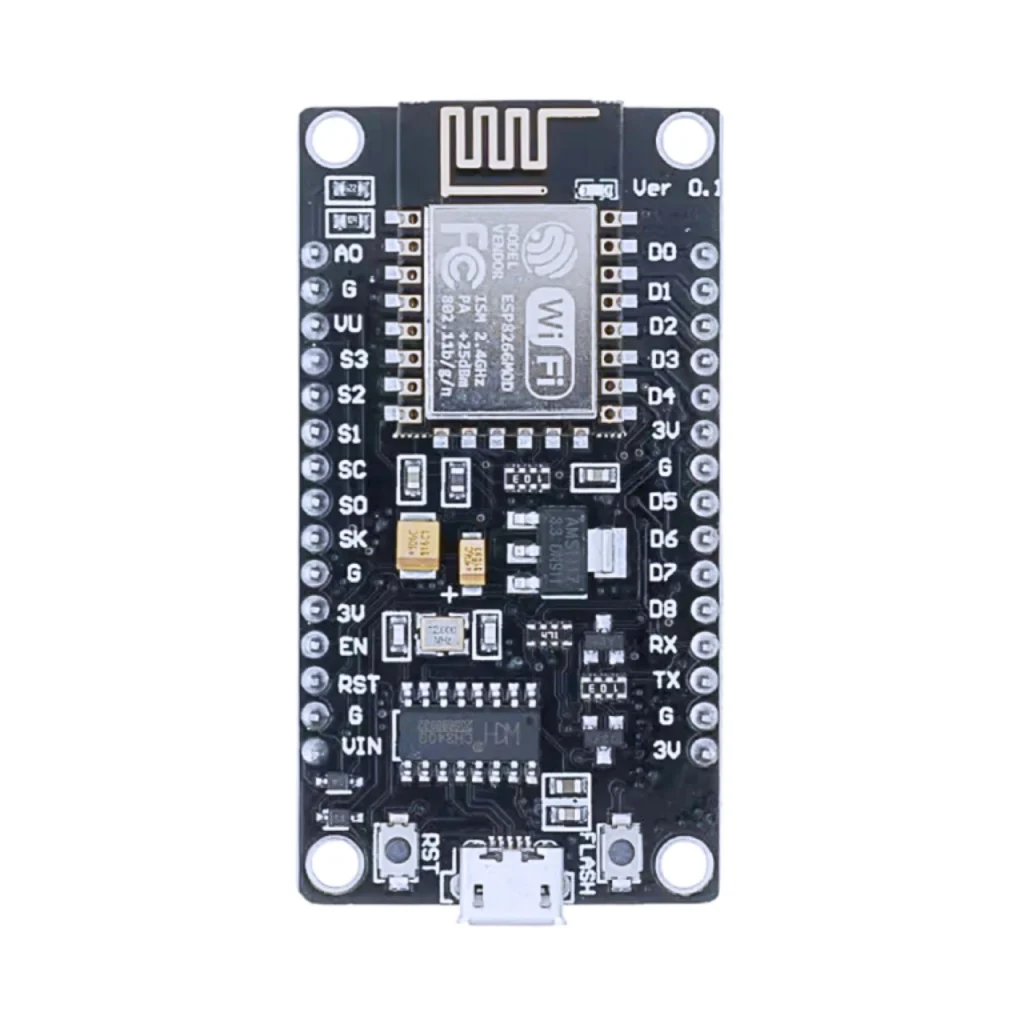
ESP8266 Pinout
The complete pin reference for the ESP8266 NodeMCU board: all 30 pins with GPIO numbers, boot pins, flash pins, power and programming.
Read more
More guides
Keep building.
From ESP32 HomeKit accessories to Arduino and ATtiny reference guides, there’s more where this came from.
All guides