
Smart plugs are everywhere these days — even budget stores like HEMA and Action have jumped on the smart home bandwagon. You can now pick up a WiFi-enabled plug for a fraction of what you’d pay at other retailers. But are they actually worth buying? Let’s take a closer look.
The Budget Smart Plug Craze
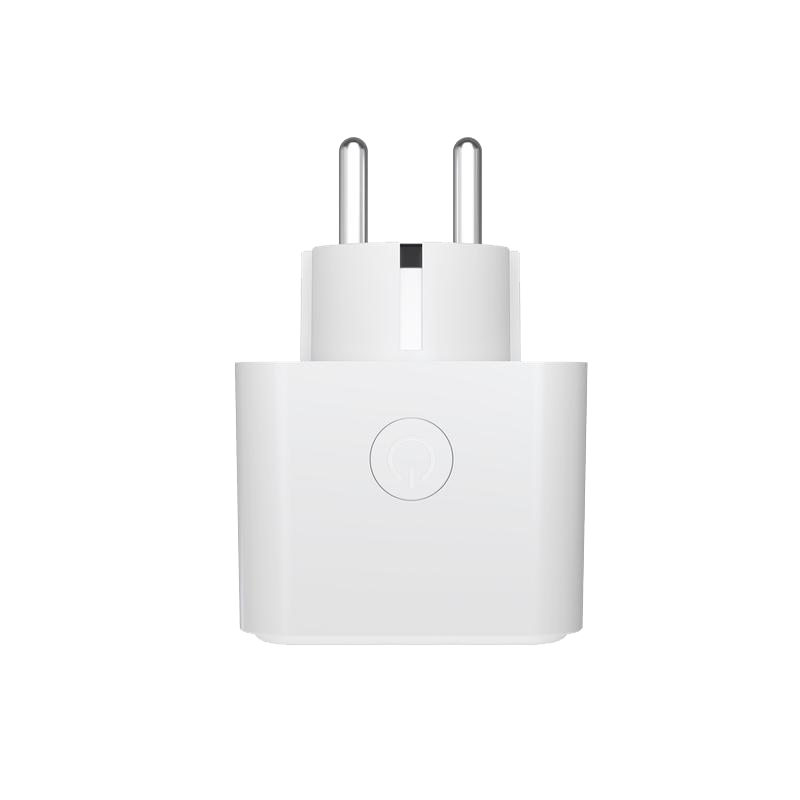
Both Action and HEMA now sell their own versions of “smart” plugs — little devices that can make any “dumb” appliance just a bit smarter. Want your lamp to turn on automatically at 7:00 AM and shut off again at 10:00 PM? A smart plug can do that. The big selling point is the price. At Action, you can get a grounded WiFi plug for about €6.49, while HEMA’s version will set you back roughly €15. Considering most smart plugs cost anywhere from €20 to €60, these budget options are certainly tempting.
The Company Behind the Plug
But here’s the thing: Action and HEMA don’t actually make these plugs themselves. Both retailers rely on a Chinese company called Tuya, founded by former Alibaba engineers. Tuya produces “white label” smart devices — Action or HEMA simply slap their logo on them and sell them under their own brand. Tuya also provides the entire backend infrastructure, including the app you use to control your smart plug — such as LSC Smart Connect or Nedis SmartLife. Convenient? Sure. But it also means your data passes through Tuya’s servers.
The Privacy Catch
And that’s where things get tricky. The Tuya-based apps collect a surprising amount of data: your exact location, GPS info, and even contact details like your phone number. Their privacy policy is vague at best — they promise not to misuse your data, but never explain how it’s stored or secured.
In short: your data travels back and forth to China, and you have no real way of knowing what happens to it. Tuya hasn’t had any major leaks yet, but security researchers have managed to hack Tuya devices before. Back in 2018, a German hacker demonstrated how he could remotely control Tuya-powered devices through hidden update mechanisms — essentially “backdoors” built into the firmware. Tuya later patched this issue, but the fact remains: you’re not in full control of your own device.

So Why Pay More for HEMA’s Plug?
That’s a fair question — and the answer is: you’re mostly paying for packaging and customer service. Technically, both the Action and HEMA plugs are identical. They even use the same app, since both come from Tuya’s platform. Functionally, they do the same thing: control your lights, set schedules, and let you turn things on or off remotely. The difference is in the label, not the hardware.
A Better Alternative: Take Control Yourself
Here’s the good news — if you like tinkering, you can easily reflash these cheap Action plugs with your own firmware. By doing so, you’re not only saving money, but also regaining your privacy. No hidden servers, no mysterious data collection — just your own code running locally on your own network.
With a bit of know-how and my ESP32-HomeKit repository, you can make these budget plugs 100% yours.
That means:
✅ Full control over what runs inside your plug
✅ No third-party cloud connections
✅ Guaranteed that no company is secretly watching your data
Conclusion
So, should you buy a smart plug from Action or HEMA? If you just want an inexpensive way to automate a lamp or two — sure, go ahead. They’re cheap, reliable, and do what they promise.
But if privacy and security matter to you, or if you enjoy a bit of DIY hacking, then the real magic happens when you install your own firmware.
For just a few euros, you can have a fully customizable, secure, and private smart plug — one that truly belongs to you.